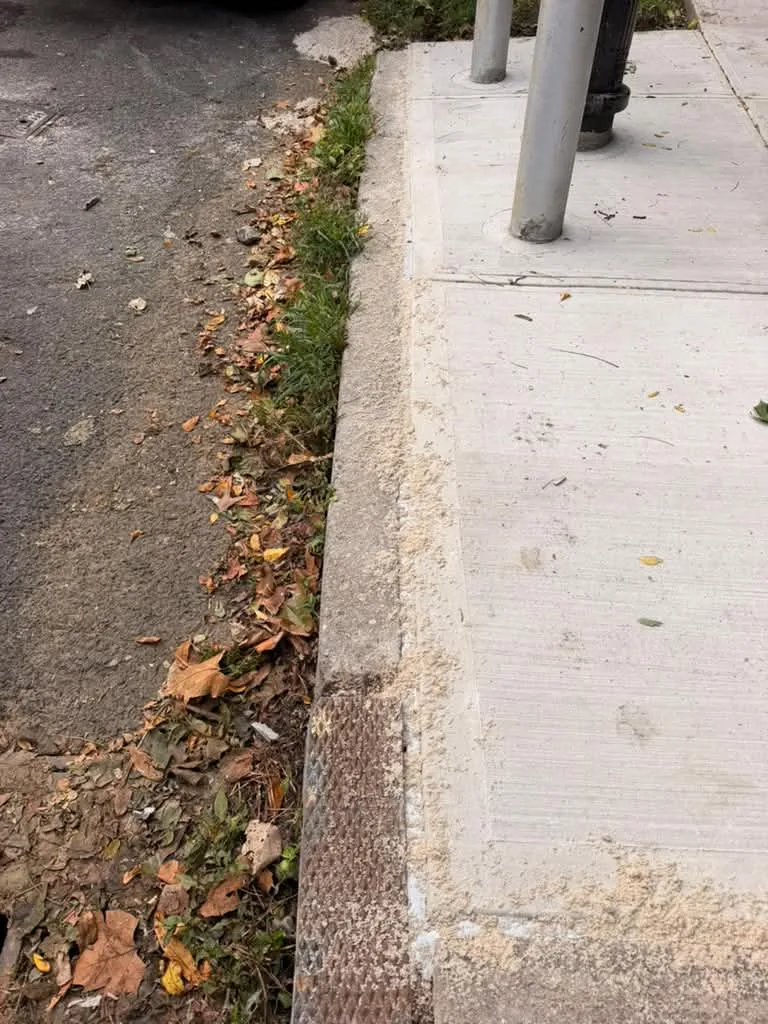
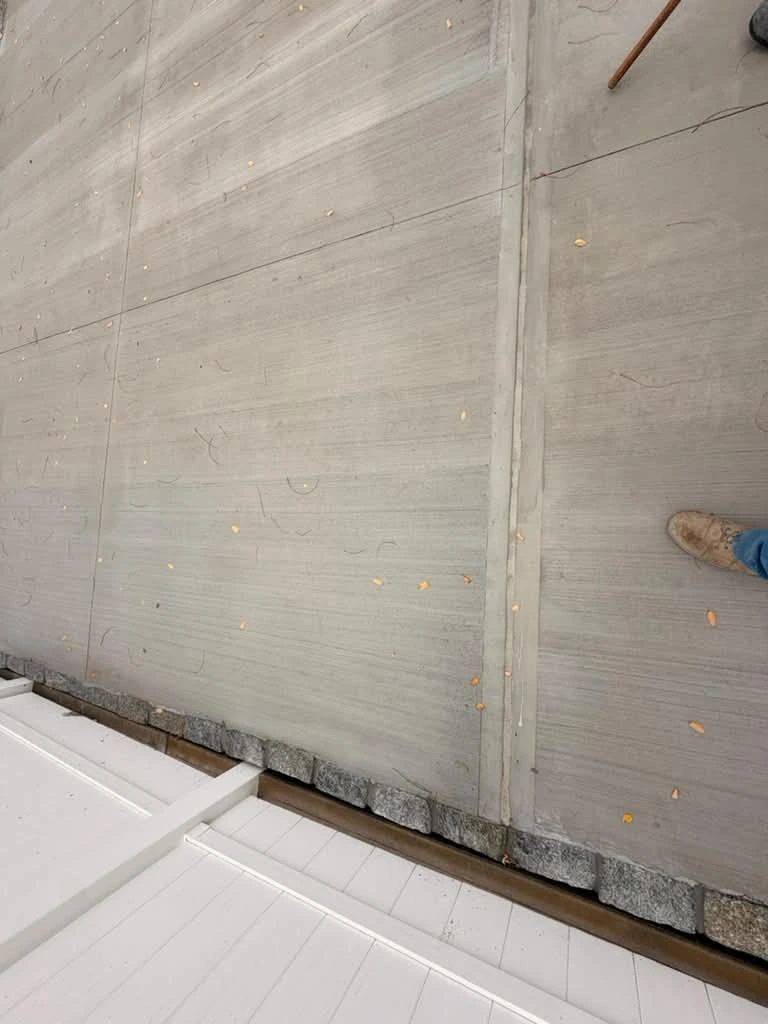
A sidewalk violation notice can leave property owners unsure about how to arrange repairs and satisfy New York City's requirements. At a two-family brick residential property on Seton Avenue in Wakefield, Bronx, years of wear, regular foot traffic, and vehicles crossing the driveway entrance contributed to extensive sidewalk damage.
After receiving an NYC DOT sidewalk violation notice, the property owner found our company through Google. We inspected the sidewalk, coordinated the required permits, arranged the utility mark-out, and replaced all nine damaged concrete sidewalk slabs. The project also included coordination for the final inspection, and the NYC DOT violation was fully dismissed.
- Project
- NYC DOT Sidewalk Violation Removal
- Client
- Residential Property Owner
- Location
- 4221 Seton Avenue, Bronx, NY 10466
- Neighborhood
- Wakefield, Bronx, New York
- Property Type
- Two-Family Brick Residential Property
- Damage Cause
- Years of ordinary wear, combined with regular pedestrian traffic and vehicles crossing the driveway entrance, damaged nine concrete sidewalk slabs. Cracks, uneven surfaces, and changes in elevation created potential tripping hazards for pedestrians.
- Services Provided
- Sidewalk condition assessment, NYC DOT sidewalk construction permit filing, sidewalk closing permit coordination, 811 utility mark-out coordination, removal and replacement of all nine damaged concrete sidewalk slabs, new concrete sidewalk installation, and coordination of the final NYC DOT inspection and sign-off.
- Estimated Project Cost
- $4,800, including required permits, concrete removal, and sidewalk replacement.
- Total Sidewalk Area Repaired
- Approximately 225 square feet across nine concrete slabs.
- Project Completion Time
- Up to approximately 60 days, including permit coordination, construction, inspection, and final NYC DOT violation sign-off.
- How the Customer Found Us
- The property owner found our company through Google after receiving an NYC DOT sidewalk violation notice.
What Led to the Sidewalk Damage?
Sidewalks experience years of exposure to changing weather, daily pedestrian traffic, and the gradual effects of ordinary use. Sections near driveway entrances face additional demands because vehicles repeatedly cross the pavement while entering and leaving a property.
At this Wakefield residence, these factors contributed to damage across nine concrete slabs. The affected sections developed cracks, uneven surfaces, and differences in elevation that made the walking surface less safe for pedestrians.
Uneven sidewalk panels can create tripping hazards, particularly when adjacent sections sit at different heights. Once the property owner received an NYC DOT violation notice, addressing the damaged pavement became an important step toward restoring the sidewalk and resolving the violation.
The project required more than a cosmetic improvement. The damaged concrete needed to be removed and replaced, and the work had to be coordinated with the applicable city requirements.
Evaluating the Damaged Sidewalk
The repair process began with an assessment of the affected sidewalk sections. The project scope identified nine damaged slabs covering approximately 225 square feet.
Rather than limiting the work to filling visible cracks, the plan called for replacing all nine slabs. This allowed the damaged sections to be addressed as part of one coordinated repair project.
The assessment also helped establish the scope of the concrete removal, replacement work, and permit coordination. With the affected area identified, the project could move forward through the required administrative steps before construction began.
Arranging Permits and Preparing the Site
Sidewalk repairs in New York City require attention to the applicable permit and site-preparation requirements. Coordinating these steps before construction helps organize the work and account for pedestrian access and underground utilities.
For this project, our team coordinated the following:
Sidewalk Construction Permit
We handled the NYC DOT sidewalk construction permit filing required for the planned replacement work. This formed part of the preparation for removing the damaged concrete and installing the new sidewalk.
Sidewalk Closing Coordination
The project also included sidewalk closing permit coordination. These arrangements help manage pedestrian access around an active construction area while the work is underway.
811 Utility Mark-Out
Before work that could disturb the ground, utility coordination was included in the project scope. An 811 utility mark-out helps identify underground utility locations so the work can be planned with those locations in mind.
By bringing these steps together, we helped organize the project before moving into the concrete replacement phase.
Removing and Replacing All Nine Slabs
Once the project was prepared for construction, the work focused on removing the damaged sidewalk sections and replacing them with new concrete.
Removing the Damaged Concrete
The crew removed all nine damaged slabs from the designated sidewalk area. Clearing the deteriorated concrete made room for the replacement installation and allowed the affected sections to be reconstructed.
Preparing for the New Sidewalk
After removal, the area was prepared for the new pavement. Proper preparation helps provide stable support for the replacement concrete and contributes to the durability of the finished sidewalk.
Installing New Concrete
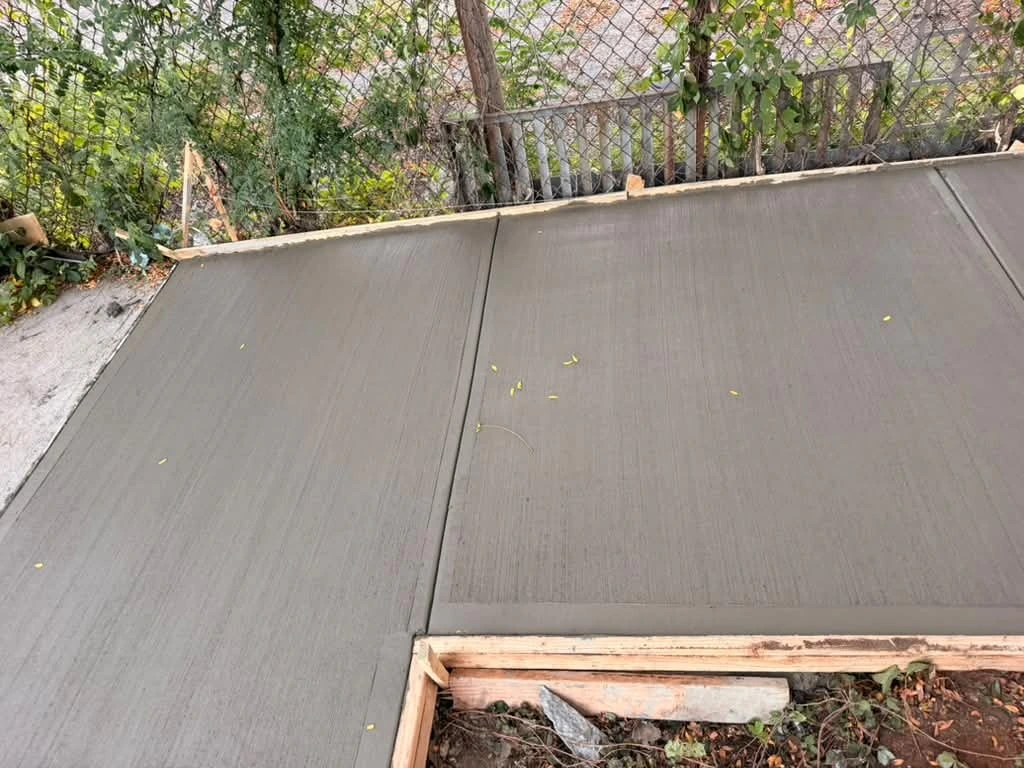
New concrete was installed throughout the nine-slab repair area. The work followed the applicable NYC DOT requirements and addressed the damaged sections identified during the assessment.
Replacing all nine slabs provided a consistent approach to the affected sidewalk rather than leaving some of the identified damaged panels in place.
Completing the Surface
The new sidewalk was finished as part of the installation process. Once the concrete work was complete, the project could move toward the inspection and sign-off stage.
Securing the Final NYC DOT Violation Dismissal
Completing the physical repairs was an important milestone, but the project also required attention to the city's violation-resolution process.
Our scope included coordinating the final NYC DOT inspection and sign-off. Following completion of the repair and the required review, the NYC DOT sidewalk violation was fully dismissed.
This resolved the violation associated with the project. The property owner did not have to manage the entire repair and inspection process alone, as permit coordination, construction, and the final steps toward dismissal were handled as part of the project.
Project Cost and Timeline
The total estimated project cost was $4,800, including required permits, concrete removal, and sidewalk replacement.
The estimated completion period was up to approximately 60 days. This covered the overall process, from permit coordination and construction through inspection and final NYC DOT violation sign-off.
The timeline represents the project estimate rather than the duration of concrete installation alone. Administrative processing and inspection scheduling were included in the overall period.
Words of the Owner
"After receiving the sidewalk violation notice, I searched Google for a contractor who could help. They explained the process, coordinated the permits, and replaced the damaged sidewalk. They also handled the inspection coordination, and the violation was fully dismissed. I appreciated having one team manage the project."
Residential Property Owner, Wakefield, Bronx
The Completed Sidewalk on Seton Avenue
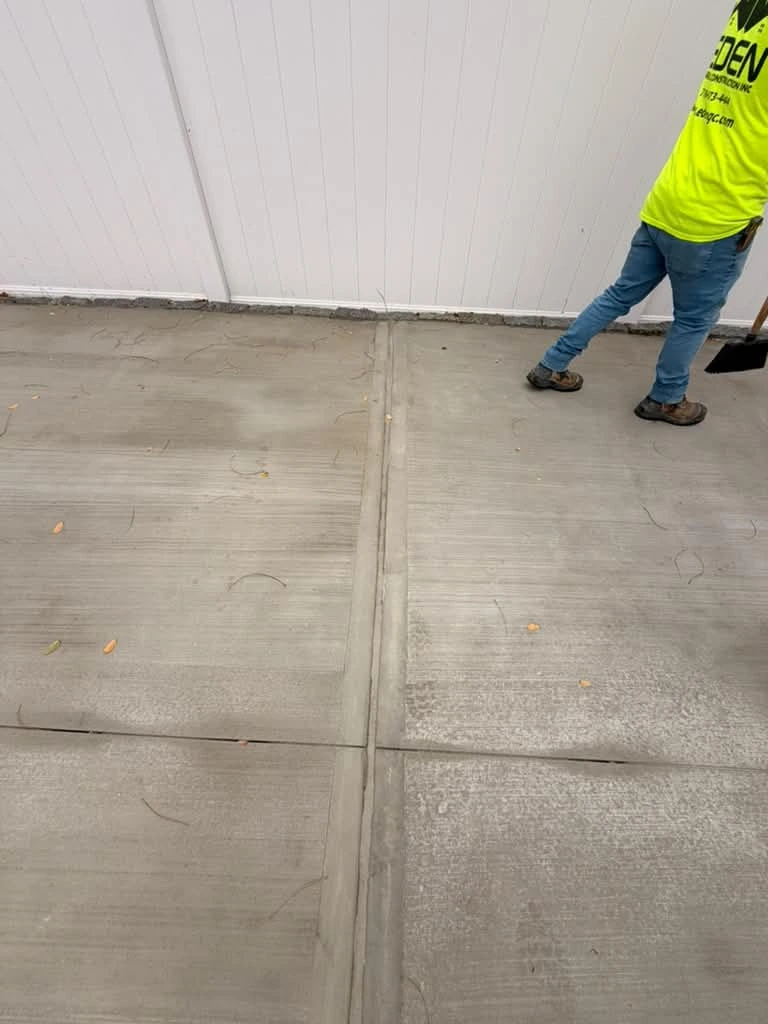
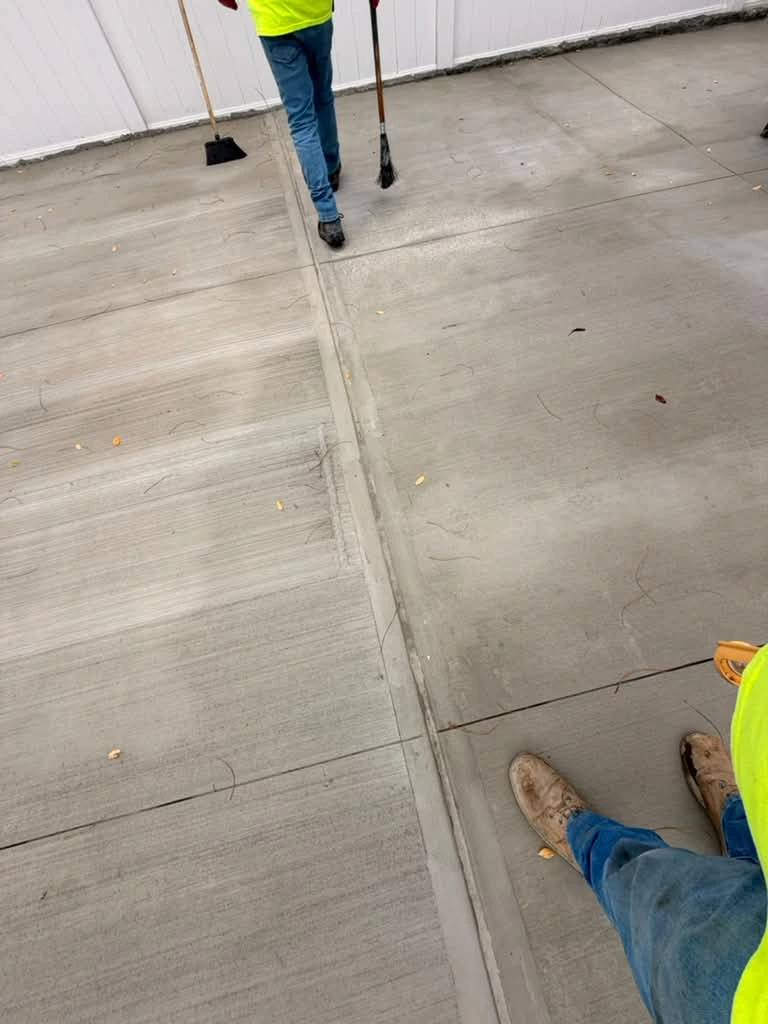
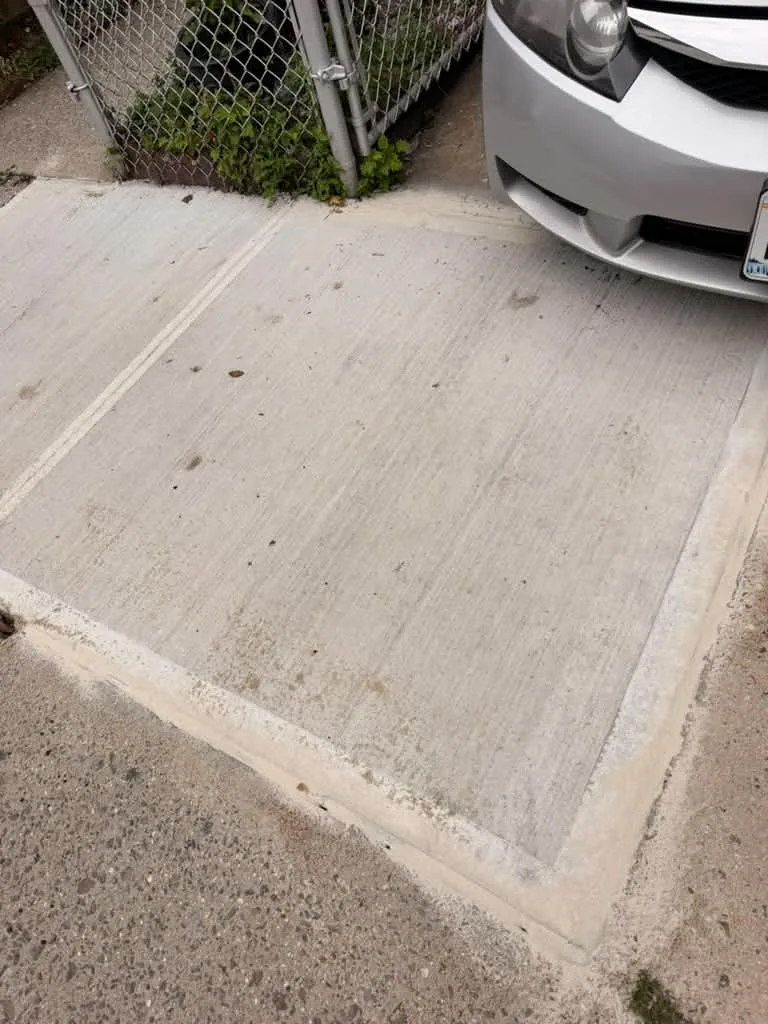
The project replaced all nine damaged concrete slabs across approximately 225 square feet of sidewalk at the Wakefield property.
The work addressed the reported cracks, uneven surfaces, and elevation differences that had affected the walking area. It also brought the permit and inspection process together under one coordinated project.
With an estimated total cost of $4,800, including permits, the owner received a complete replacement of the identified damaged sections. Most importantly, the NYC DOT violation was fully dismissed following the repair and final review.
Need Help Resolving Sidewalk Violation Removal in Wakefield?
Receiving a sidewalk violation can raise questions about the repair scope, required permits, project costs, and the process for getting the violation dismissed.
Sidewalk Repair Contractors Bronx helps residential property owners coordinate sidewalk repair projects, including permit filing, utility mark-outs, concrete replacement, and the steps needed for final NYC DOT inspection and sign-off.
If your sidewalk has cracked, uneven, or deteriorating concrete, just reach out to us for a free estimate. Our team can assess the affected area and discuss the next steps for your property.
Photos From This Job