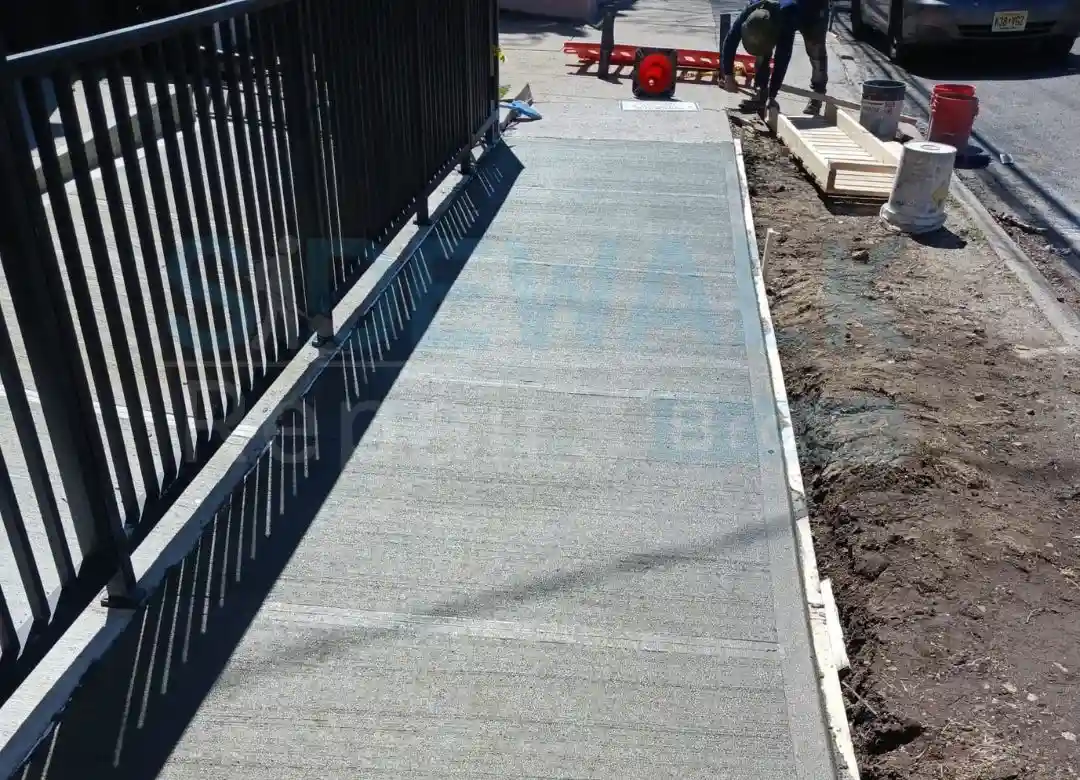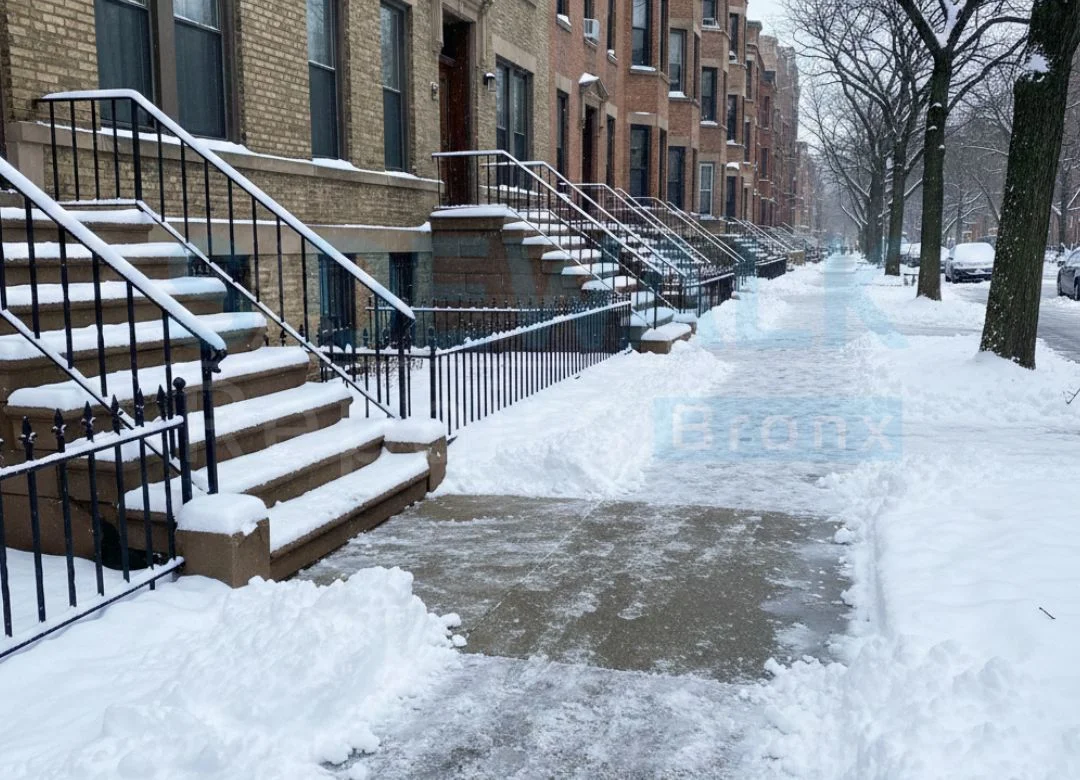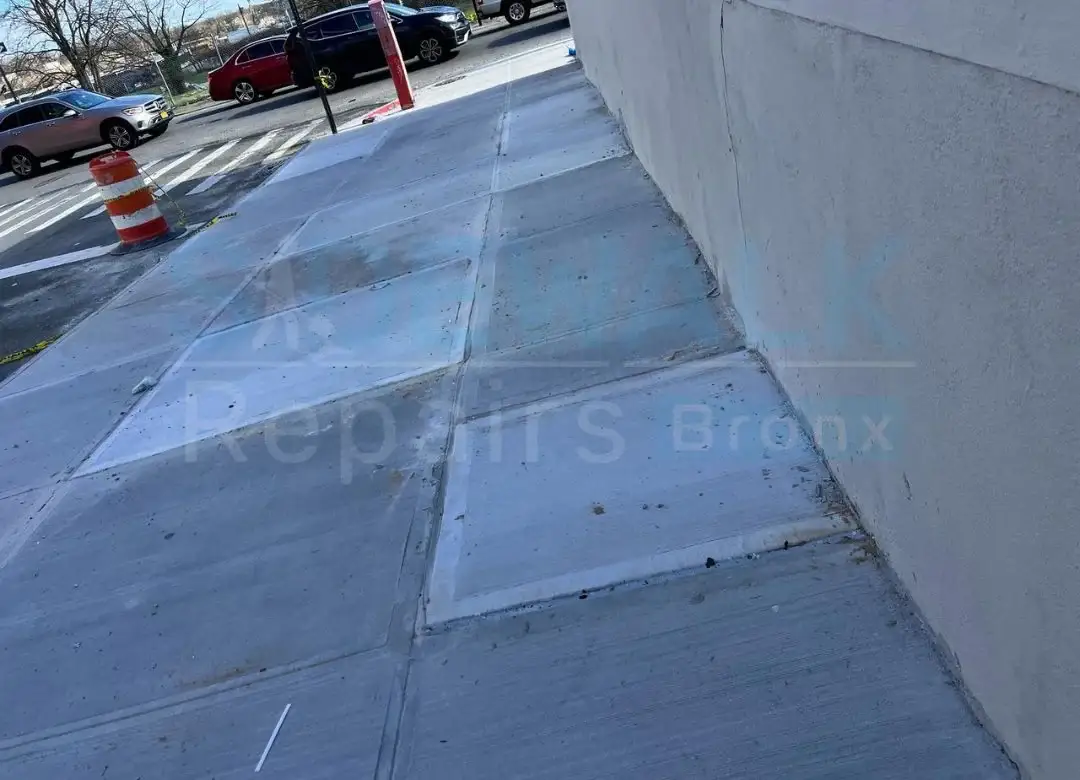

Good sidewalk maintenance is not one big repair every decade. It is a short walk-through each season, a few small jobs at the right time of year, and a record of what you found and fixed. For Bronx property owners, that routine prevents trip hazards, heads off DOT violations and gives you evidence of reasonable care if someone ever falls. This guide gives you a season-by-season checklist, explains which quick fixes are safe, and shows what to log.
Why Sidewalk Maintenance Is the Owner's Job
Under Section 19-152 of the NYC Administrative Code, property owners must repair defective sidewalks next to their property, and DOT can cite defects such as a 1/2 inch height difference between flags. Under Section 7-210, most owners, except those of owner-occupied one-, two- and three-family homes used only as residences, are also liable for injuries caused by a poorly maintained sidewalk. You can assign the work to a super, a managing agent or a contractor, but the legal duty generally stays with the owner.
Your Year-Round Sidewalk Maintenance Calendar
| Season | What to do |
|---|---|
| Spring (March to May) | Walk the full frontage after the last freeze. Measure height differences at every joint, look for new cracks, flaking and sunken flags, and book repairs while the weather is good for concrete. |
| Summer (June to August) | Pull weeds from joints, trim plants that crowd the walkway, sweep regularly, and check where water collects after summer storms. |
| Fall (September to November) | Clear wet leaves, which are slippery and stain concrete. Reseal open joints, apply a penetrating sealer on a dry day above about 50°F, finish repairs before the first freeze, and stock up on sand and a concrete-safe de-icer. |
| Winter (December to February) | Clear snow within NYC's deadlines, use de-icers sparingly, mark icy or damaged spots, and note any flags that lift or crack during freeze-thaw cycles. |
Spring: The Most Important Inspection of the Year
Winter does most of the damage, and spring is when it shows. Freeze-thaw cycles lift flags, widen cracks and flake the surface. Lay a straight edge across each joint and measure any lift. Anything at 1/2 inch or more is a defect DOT can cite. Our checklist of 5 signs your Bronx sidewalk needs repair covers what to look for, and our guide to uneven sidewalk trip hazards shows how to measure.
Summer: Vegetation, Roots and Drainage
Weeds growing in joints widen them and hold moisture. Overgrown plants and hedges narrow the walkway. On tree-lined blocks, watch for humps forming near street trees, since roots of City trees cannot be cut and repairs nearby need a NYC Parks Tree Work Permit. See tree root sidewalk repair.
Fall: Seal and Prepare
Fall is the best time to stop winter damage before it starts. Clean out and reseal open joints so water cannot get under the flags. Our guide to expansion joints in concrete sidewalks explains how. Seal the surface while temperatures are still mild, and finish any concrete work before nights drop below freezing.
Winter: Snow, Salt and Damage Control
NYC requires snow to be cleared within 4 hours if it stops between 7:00 a.m. and 4:59 p.m., within 14 hours if it stops between 5:00 p.m. and 8:59 p.m., and by 11:00 a.m. if it stops overnight. Rock salt speeds up surface damage, so use it sparingly and avoid de-icers on concrete poured within the last year. Our winter sidewalk care guide compares de-icers and their effect on concrete.
Quick Fixes vs Permanent Repairs
Some stopgaps are useful while you schedule a repair. None of them clear a DOT violation, because NYC rules require defective flags to be fully replaced.
| Approach | Good for | Clears a DOT violation? |
|---|---|---|
| Marking a hazard with paint or cones | Warning pedestrians until a repair is done | No |
| Asphalt or cold patch | A very short-term fill for a hole | No, and it can create a new uneven edge |
| Grinding a raised edge | Small lifts on solid flags with no violation | No |
| Sealing joints and cracks | Keeping water out and slowing damage | No, but it prevents future defects |
| Full flag replacement | Lifted, broken, loose or holed flags | Yes, when done to DOT standards under a permit |
Replacement needs a DOT permit before work starts. See our guide to NYC sidewalk permit requirements and our sidewalk replacement service.
A Maintenance Routine for Building Owners and Supers
For apartment buildings, co-ops and mixed-use properties on busy Bronx corridors, the sidewalk sees heavy foot traffic, deliveries and trash pickups. A simple routine keeps small problems small:
- Assign one person, usually the super, to walk the frontage once a month and after every major storm.
- Give them a straight edge and tape measure, and ask them to measure, not eyeball, any lift.
- Have them photograph anything new, with the date, and report it the same day.
- Decide on repairs within a set time, so a reported hazard does not sit for months.
- Keep dumpsters, pods and delivery vehicles off the flags where possible, since heavy loads crack sidewalks.
Keep a Sidewalk Maintenance Log
In an injury claim, a central question is often whether the owner knew, or should have known, about the hazard. A dated record of regular inspections and prompt repairs is your best evidence of reasonable care. A simple log is enough:
| Date | Location | What was found | Measurement | Action taken | Photo saved |
|---|---|---|---|---|---|
| Mar 12 | Flag 3 from the east property line | Raised edge near street tree | 5/8 inch | Contractor called, repair booked | Yes |
| Nov 4 | Joint by the entrance | Sealant missing | Not applicable | Joint cleaned and resealed | Yes |
Keep the log with your permits, invoices and any violation dismissal paperwork. If a notice has already arrived, see what happens if you ignore sidewalk repairs.
Book a Spring or Fall Sidewalk Check in the Bronx
Our licensed Bronx crew inspects your sidewalk against DOT standards, tells you what can wait and what cannot, and handles permits and repairs. If you already have a notice, we handle sidewalk violation removal in the Bronx through final dismissal. For typical prices, see sidewalk repair cost in NYC.
Call (718) 619-4844 | Get a Free Estimate
Frequently Asked Questions
How often should I inspect my sidewalk?
At least twice a year, in spring after the freeze-thaw season and in fall before it starts. Buildings with heavy foot traffic should have a super walk the frontage monthly and after every major storm.
What sidewalk maintenance is a property owner responsible for in NYC?
Owners must repair defective sidewalk flags next to their property under Section 19-152 of the Administrative Code, and must clear snow within the City's deadlines. Most owners are also liable for injuries caused by a poorly maintained sidewalk under Section 7-210.
Can I patch my sidewalk myself?
You can use a patch or cones as a short-term warning, but a patch does not clear a DOT violation. NYC rules require defective flags to be fully replaced, and any sidewalk repair needs a DOT permit before work starts.
How soon do I have to clear snow from my sidewalk in NYC?
Within 4 hours if snow stops between 7:00 a.m. and 4:59 p.m., within 14 hours if it stops between 5:00 p.m. and 8:59 p.m., and by 11:00 a.m. if it stops between 9:00 p.m. and 6:59 a.m.
Does sealing a concrete sidewalk help?
Yes. A penetrating sealer and well-sealed joints keep water and salt out of the concrete, which slows freeze-thaw damage. Apply sealer in early fall on a dry day above about 50°F, after repairing any existing cracks.
Can I make my tenant or super responsible for the sidewalk?
You can assign them the work, such as inspections and snow removal, and a lease can allocate costs. But under Section 7-210, the legal duty to keep the sidewalk reasonably safe generally stays with the owner, except for qualifying 1 to 3 family homes.
What records should I keep about my sidewalk?
Keep a dated log of inspections, measurements, photos and repairs, plus permits, invoices and any violation dismissal. If someone trips, that record helps show you inspected regularly and fixed problems promptly.
When is the best time of year to repair a sidewalk?
Spring through fall, when temperatures let new concrete cure properly. Booking repairs in spring, right after your post-winter inspection, also gives you time to get permits before problems grow.